
SPACE
- Copernicus Trajectory Design and Optimization System
 by Jacob Williams on 24/03/2026
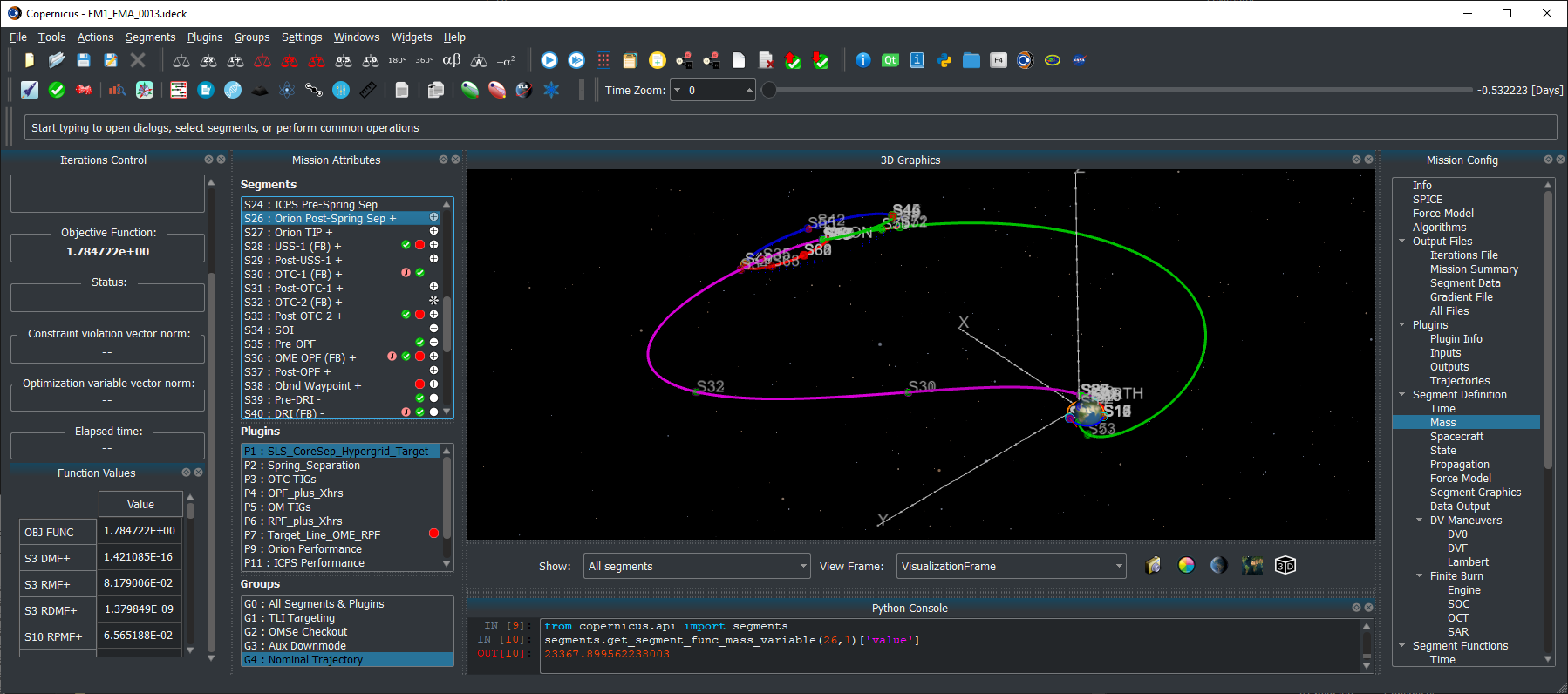
Copernicus, a generalized spacecraft trajectory design and optimization system, is capable of solving a wide range of trajectory problems such as planet or moon centered trajectories, libration point trajectories, planet-moon transfers and tours, and all types of interplanetary and asteroid/comet […]
- NASA Research Proposes Technology to Seek Earth-Like Exoplanets
 by Loura Hall on 24/03/2026
As NASA seeks to understand the mysteries of the universe, the agency is advancing technologies to locate and explore Earth-like planets far beyond our solar system. A key element of this research involves observing reflected light from exoplanets, which can reveal indicators of Earth-like features […]
- NASA’s Water-Hunting Tool Will Help Scout Moon’s South Pole
 by Arezu Sarvestani on 24/03/2026
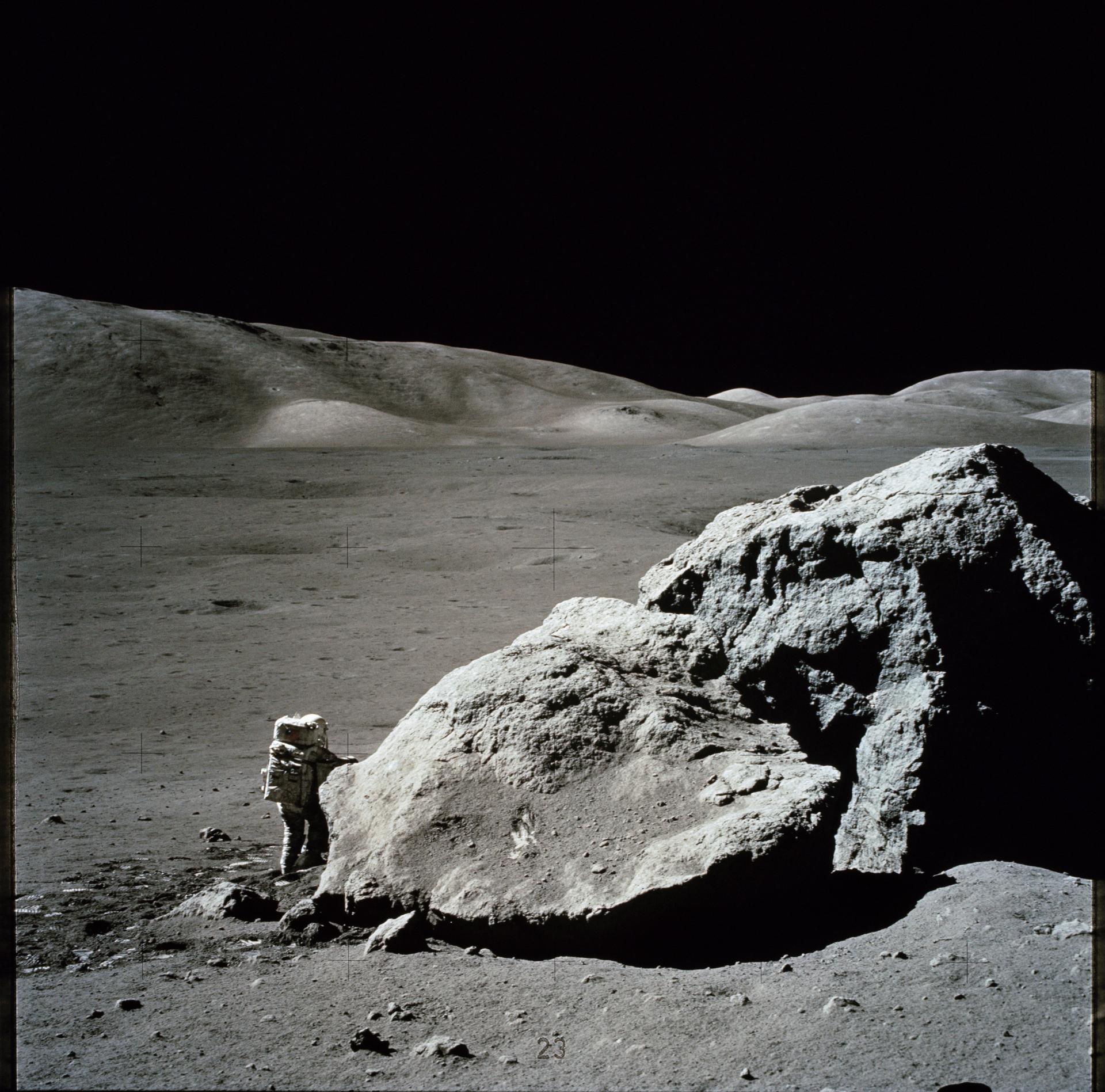
NASA is joining international partners to hunt for ice on the Moon in support of future human exploration. The agency is providing a water-detecting instrument, the Neutron Spectrometer System (NSS), to the Lunar Polar Exploration (LUPEX) mission led by JAXA (Japan Aerospace […]
- Tropical Cyclone Narelle Crosses Australia
 on 24/03/2026
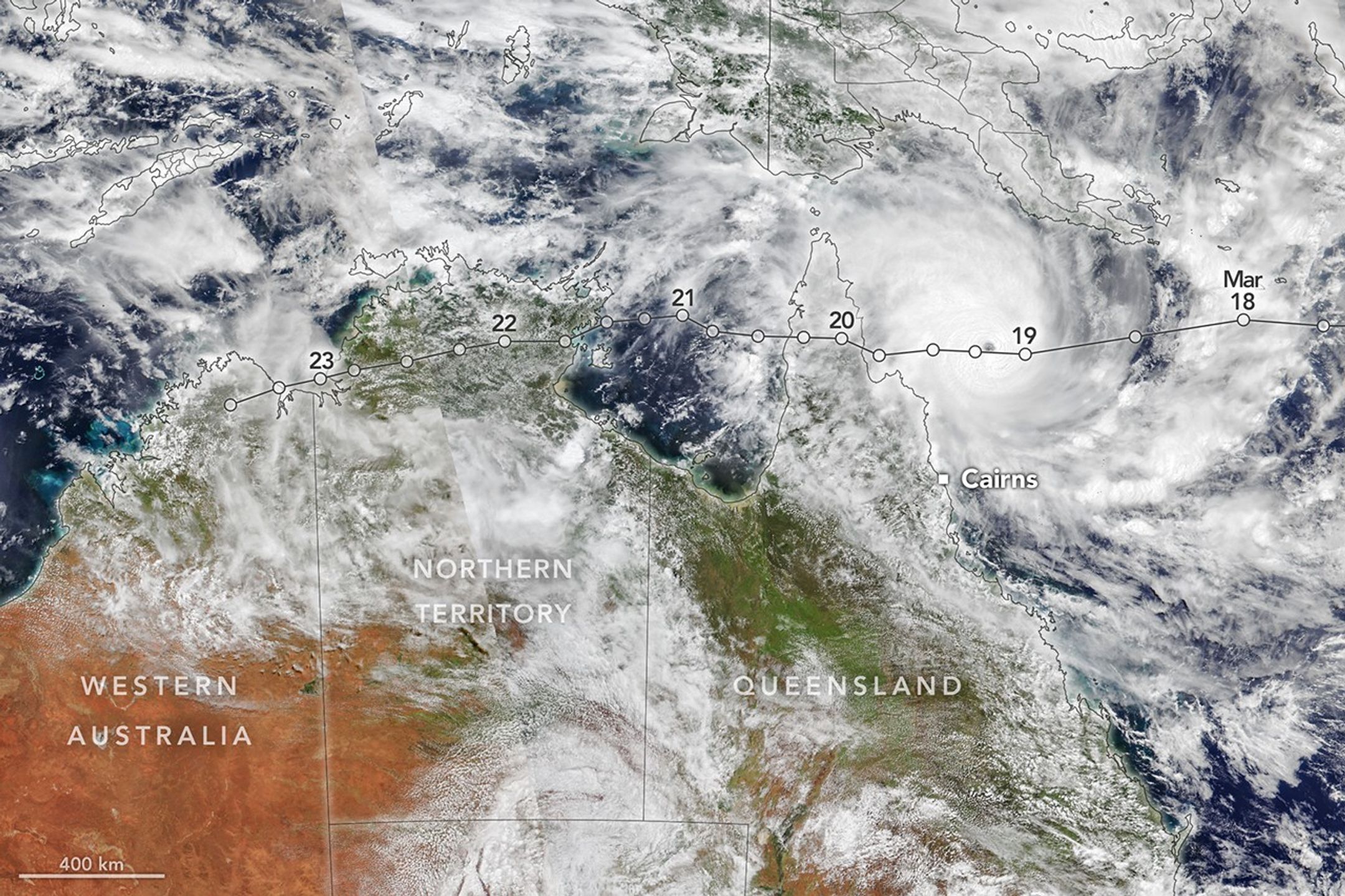
The powerful storm lashed the northern edge of the continent with damaging winds and drenching rain as it made landfall multiple times.
- Wave of Dust Rolls Through Texas
 on 18/03/2026
An advancing cold front kicked up a sharp line of sand and other small particles that swept over the high plains.
- Artifacts From NASA’s Webb, Parker Solar Probe on View at Smithsonian
 on 13/03/2026
A testing replica of the “backbone” of NASA’s James Webb Space Telescope and a full-scale model of the agency’s Parker Solar Probe are now on permanent display at the Smithsonian’s National Air and Space Museum, Steven F. Udvar-Hazy Center in Chantilly, Virginia.
- Ice to Fuel: NASA Tests Technology for Refueling Landers
 by Heather Roe on 10/03/2026
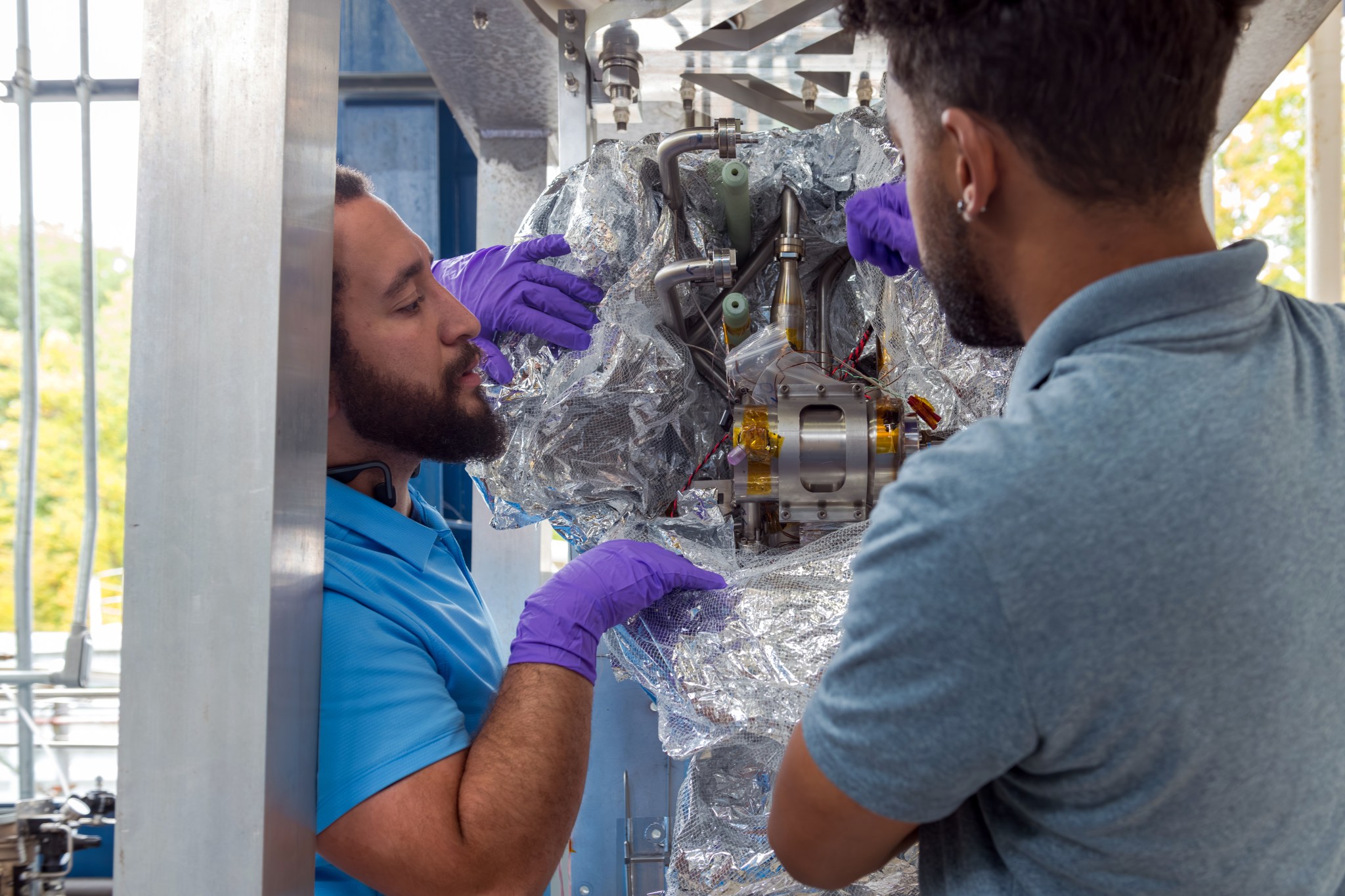
The farther the destination, the more fuel a rocket needs. The more fuel the rocket carries, the heavier the spacecraft. The heavier the spacecraft, the more fuel it requires to launch. Experts at NASA’s Glenn Research Center in Cleveland are testing technology that could solve this […]
- Shades of a Lunar Eclipse
 on 10/03/2026
A series of nighttime satellite images revealed how moonlight reaching Earth varied throughout a total lunar eclipse.
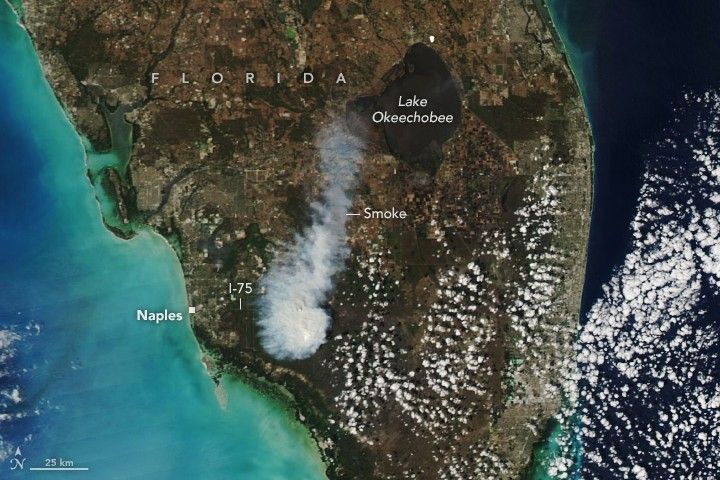
- Smoke Rises Over Big Cypress National Preserve
 on 03/03/2026
The National fire has burned tens of thousands of acres within the Florida preserve, fueled by vegetation dried by prolonged drought and killed by recent frost.
- NASA’s Curiosity Rover Sees Martian ‘Spiderwebs’ Up Close
 by Naomi Hartono on 23/02/2026
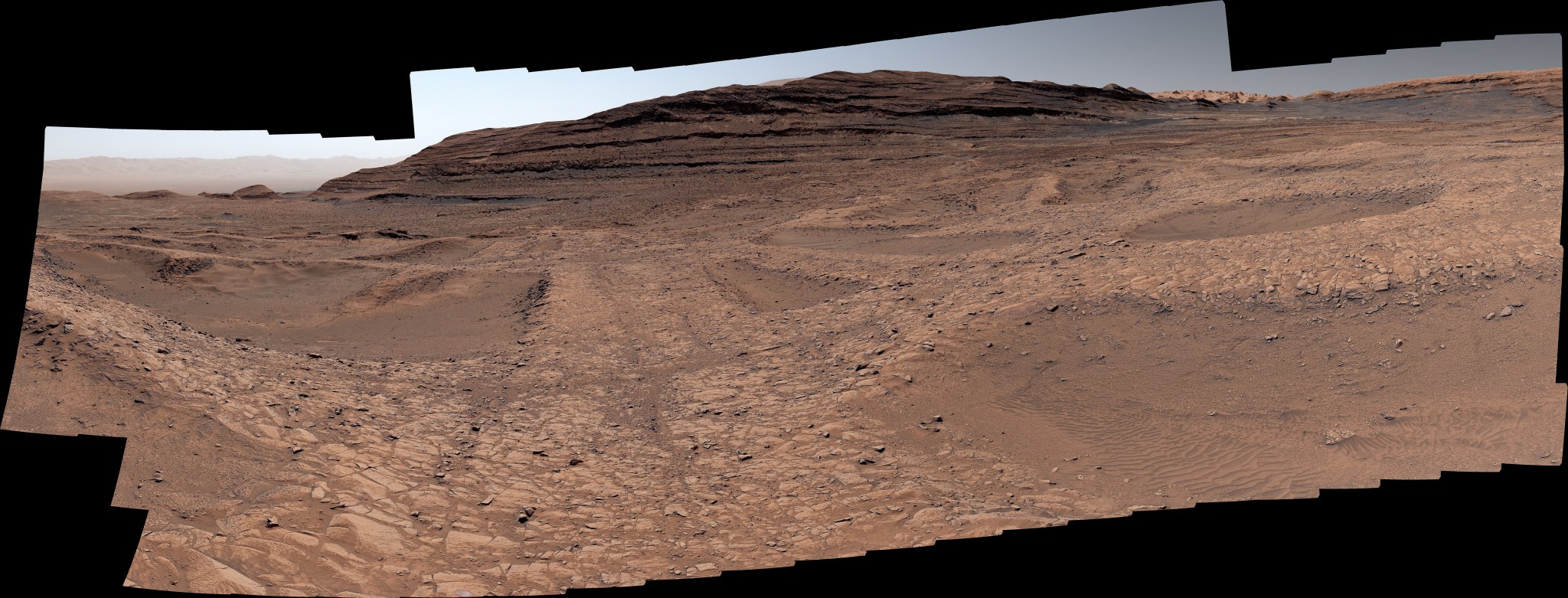
For about six months, NASA’s Curiosity Mars rover has been exploring a region full of geologic formations called boxwork, low ridges standing roughly 3 to 6 feet (1 to 2 meters) tall with sandy hollows in between. Crisscrossing the surface for miles, the formations suggest ancient groundwater […]
- SPARCS CubeSat ‘First Light’ Images
 by Rafael Alanis on 16/03/2026
Description This pair of images shows stars observed by the SPARCS (Star-Planet Activity Research CubeSat) space telescope simultaneously in the near-ultraviolet, left, and far-ultraviolet, right. These observations were recorded on Feb. 6, 2026, three weeks after the cube satellite, or CubeSat, […]
- JPL 3D-Printed Part Springs Forward
 by Rafael Alanis on 26/02/2026
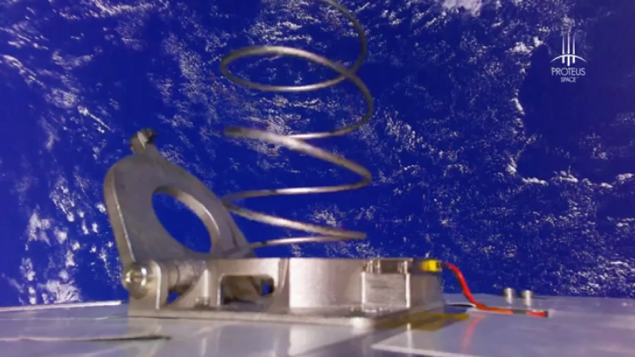
Description With a simple motion, a jack-in-the-box-like spring designed at NASA’s Jet Propulsion Laboratory showed the potential of additive manufacturing, also known as 3D printing, to cut costs and complexity for futuristic space antennas. Called JPL Additive Compliant Canister (JACC), the […]
- Curiosity Studies Nodules on Boxwork Formations
 by Rafael Alanis on 23/02/2026
Description NASA’s Curiosity Mars rover discovered these bumpy, pea-sized nodules while exploring a region filled with boxwork formations — low ridges standing roughly 3 to 6 feet (1 to 2 meters) tall with sandy hollows in-between. This mosaic is made up of 50 individual images taken by […]
- Curiosity Surveys the Boxwork Region
 by Rafael Alanis on 23/02/2026
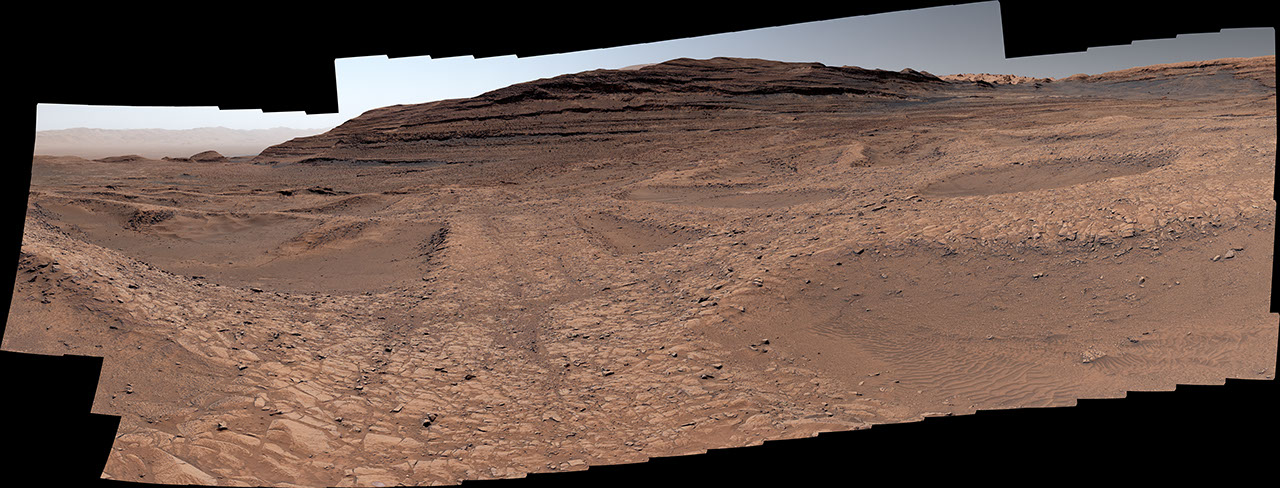
Description NASA’s Curiosity Mars rover captured this panorama of boxwork formations — the low ridges seen here with hollows in between them — using its Mastcam on Sept. 26, 2025, the 4,671st Martian day, or sol, of the mission. These boxwork formations were created billions of years ago when […]
- Mars Global Localization Pinpoints Perseverance’s Location
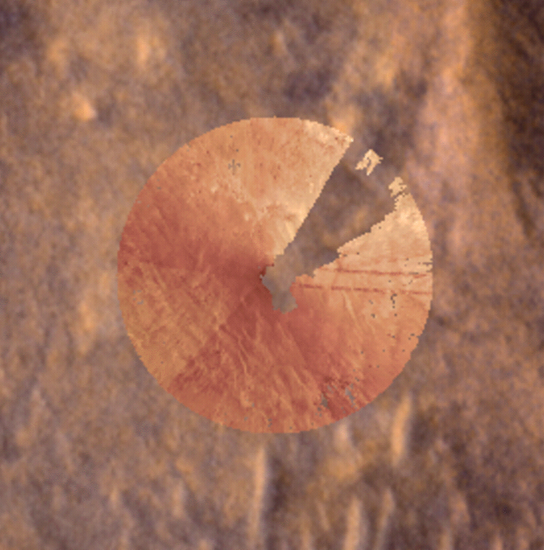 by Rafael Alanis on 18/02/2026
Description These images were part of the first successful use of a new technology called Mars Global Localization, developed at NASA’s Jet Propulsion Laboratory. Using its navigation cameras, NASA’s Perseverance captured a 360-degree view of the surrounding terrain that was matched to orbital […]
- Perseverance Pinpoints Its Location at ‘Mala Mala’
 by Rafael Alanis on 18/02/2026
Description Using its navigation cameras, NASA’s Perseverance Mars rover captured the five stereo pairs of images that make up this panorama on Feb. 2, 2026, the 1,762nd day, or sol, of the mission. A new technology called Mars Global Localization matched this 360-degree view to onboard orbital […]
- NASA’s SPHEREx Examines Comet 3I/ATLAS’s Coma
 by Rafael Alanis on 04/02/2026
Description These observations by NASA’s SPHEREx (Spectro-Photometer for the History of the Universe, Epoch of Reionization and Ices Explorer) show the infrared light emitted by the dust, water, organic molecules, and carbon dioxide contained within comet 3I/ATLAS’s coma. The comet brightened […]
- Visualizing Perseverance’s AI-Planned Drive on Mars
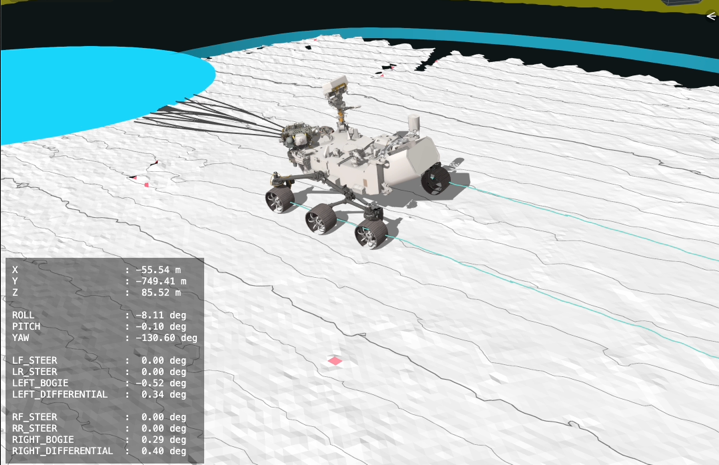 by Rafael Alanis on 30/01/2026
Description This animation of NASA’s Perseverance was created with the Caspian visualization tool using data acquired during an 807-foot (246-meter) drive on the rim of Jezero Crater made by the rover on Dec. 10, 2025, the 1,709th Martian day, or sol, of the mission. The mission’s […]
- Video: Perseverance Rover’s View of Crater Rim Drive
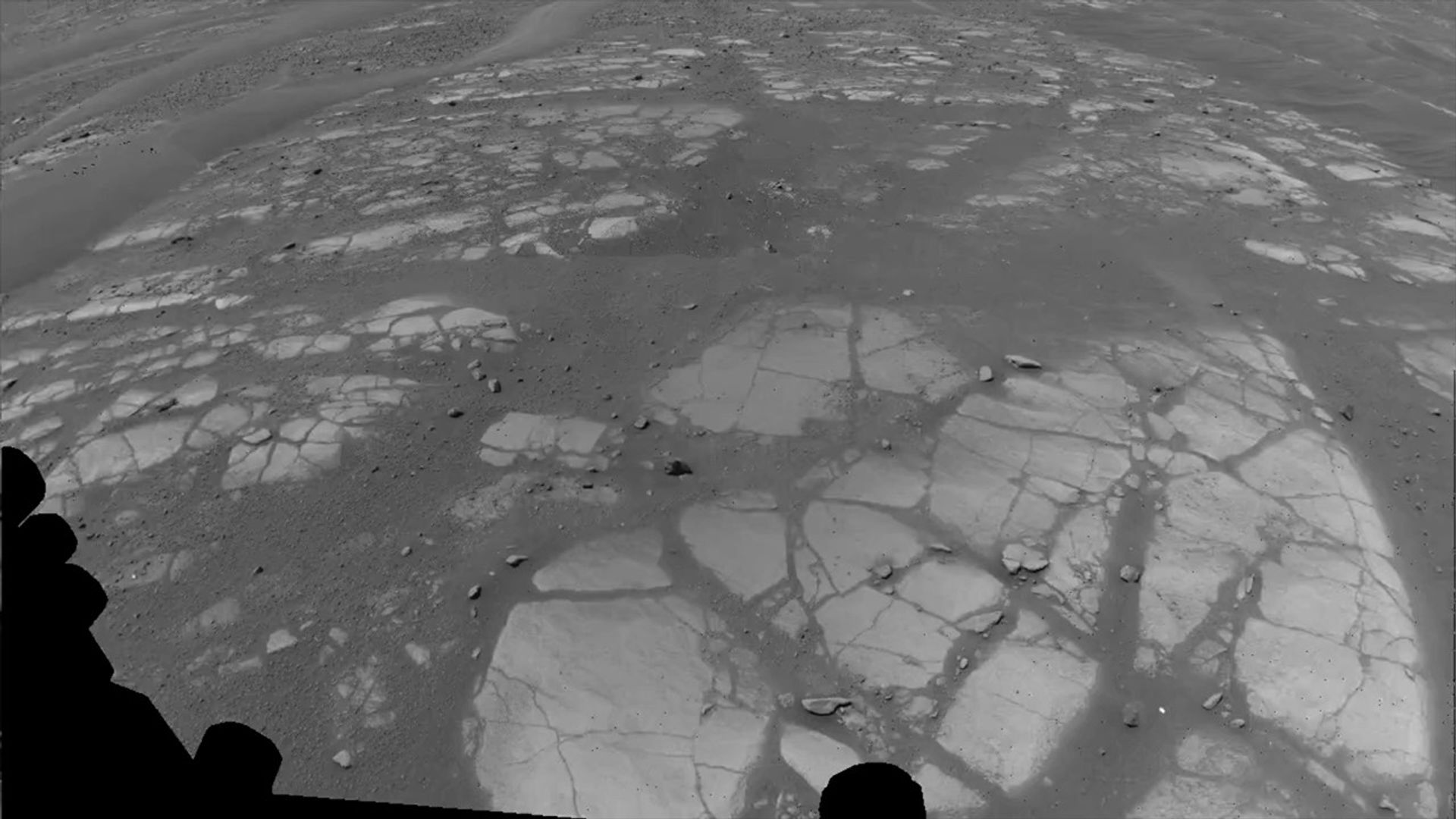 by Rafael Alanis on 30/01/2026
Description This animation shows Perseverance’s point of view during drive of 807 feet (246 meters) along the rim of Jezero Crater on Dec. 10, 2025, the 1,709th Martian day, or sol, of the mission. Captured over two hours and 35 minutes, 53 Navigation Camera (Navcam) image pairs were combined […]
- Mapping Perseverance’s Route With AI
 by Rafael Alanis on 30/01/2026
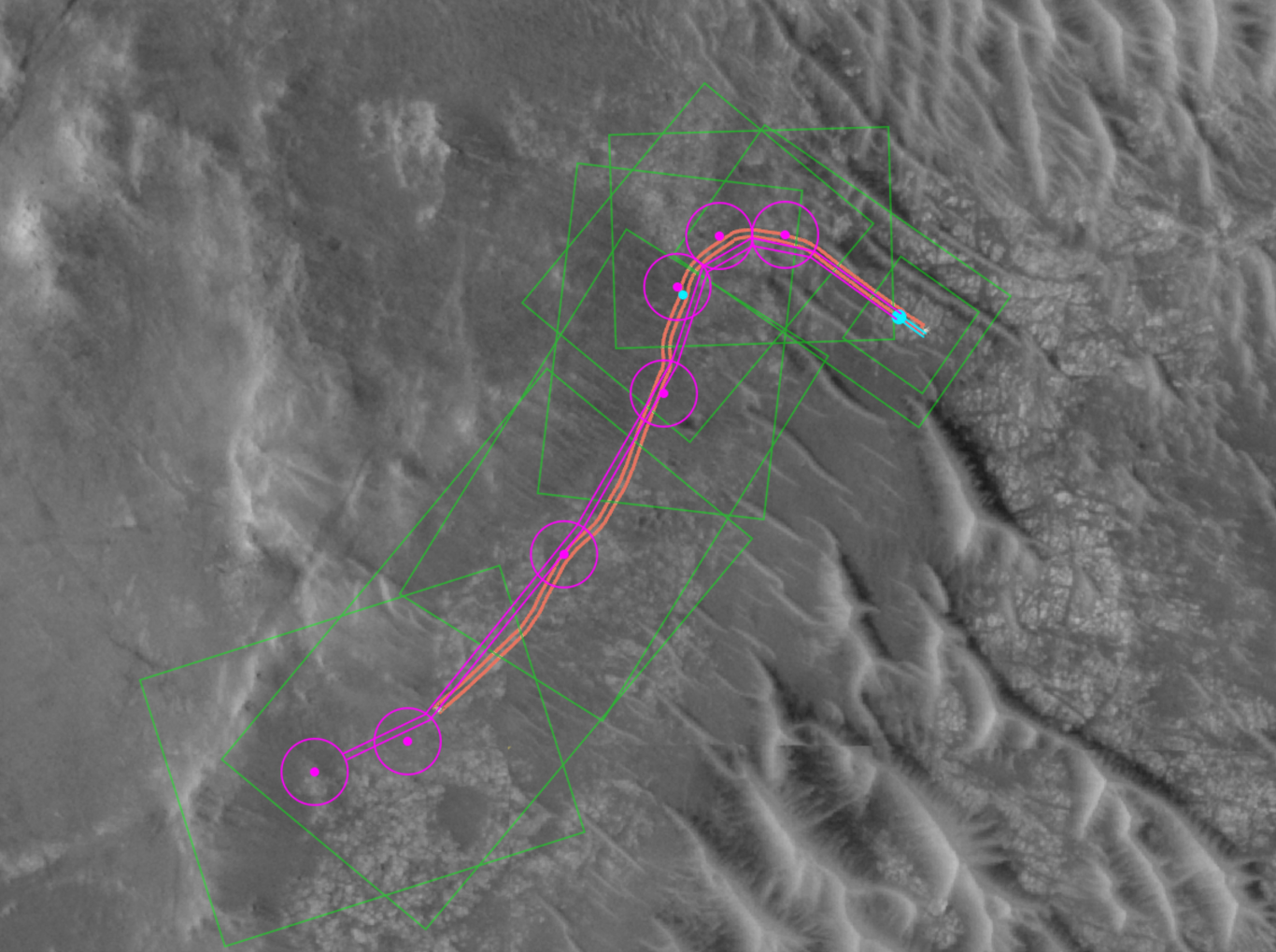
Description This annotated image from NASA’s HiRISE (High Resolution Imaging Science Experiment) camera aboard the agency’s Mars Reconnaissance Orbiter image depicts the AI-planned route and the actual route taken by NASA’s Perseverance Mars rover during its 807-foot (246-meter) drive on […]
- Dedicated Amateur Beats All-Sky Surveys to Asteroid Discovery
 by David Dickinson (https://www.universetoday.com/authors/david-dickinson) on 25/03/2026
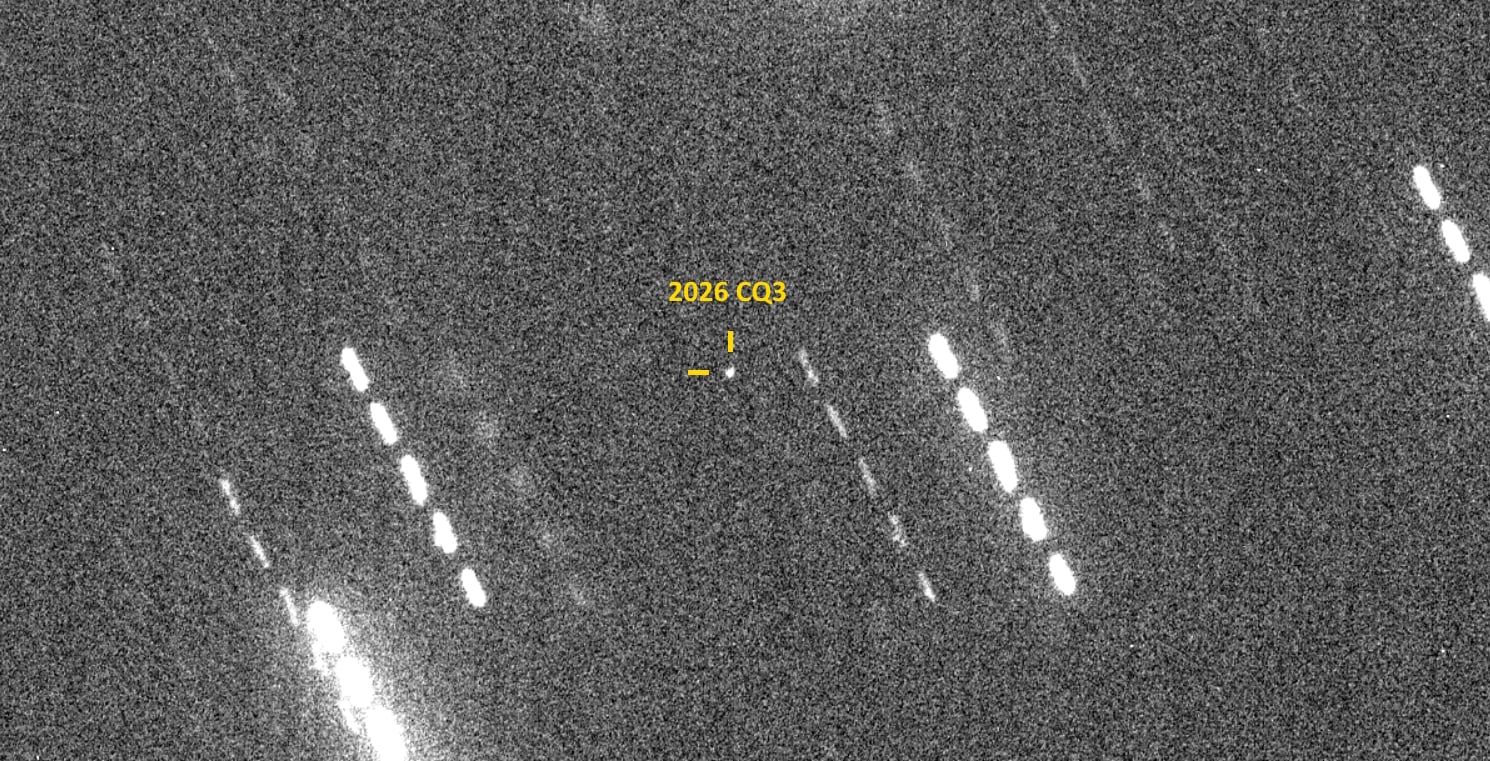
The modern era of all-sky surveys including Pan-STARRS, ATLAS and now the Vera C. Rubin Observatory have given amateur astronomers some stiff competition. But many amateurs have simply upped their game, and took their quest online. The ability to access remote observatories has really helped in […]
- NASA's Dragonfly Rotorcraft Begins Integration and Testing Ahead of Mission To Titan
 by Andy Tomaswick (https://www.universetoday.com/authors/andy-tomaswick) on 25/03/2026
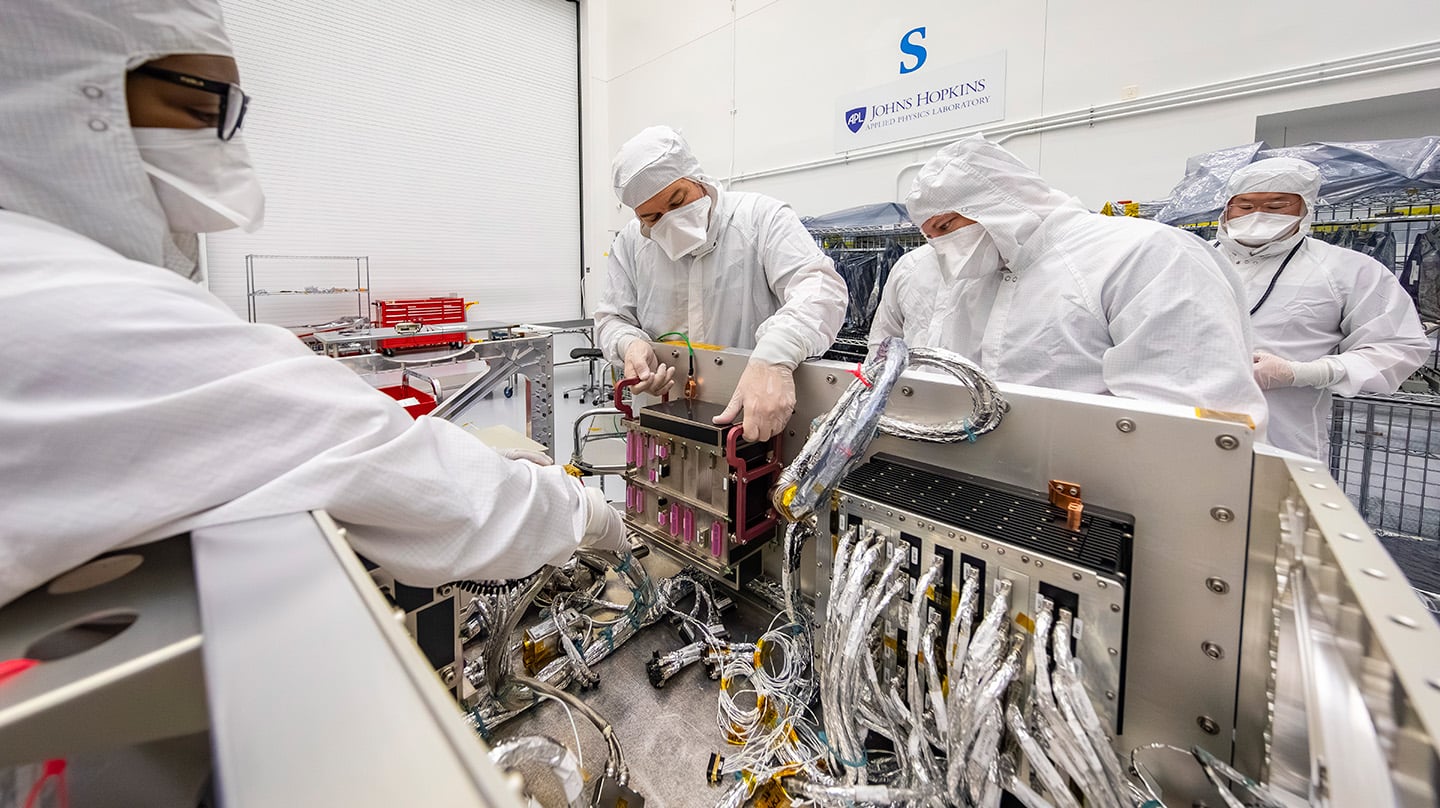
We’re getting close to launch day for Dragonfly! Engineers at the Johns Hopkins Applied Physics Laboratory (APL) in Laurel, Maryland, have officially kicked off the integration and testing stage for the car-sized, nuclear-powered helicopter bound for Saturn’s largest moon, Titan. According to a […]
- Mars Plant Growth from Cyanobacteria-Based Fertilizer
 by Laurence Tognetti, MSc (https://www.universetoday.com/authors/laurencetognetti) on 25/03/2026
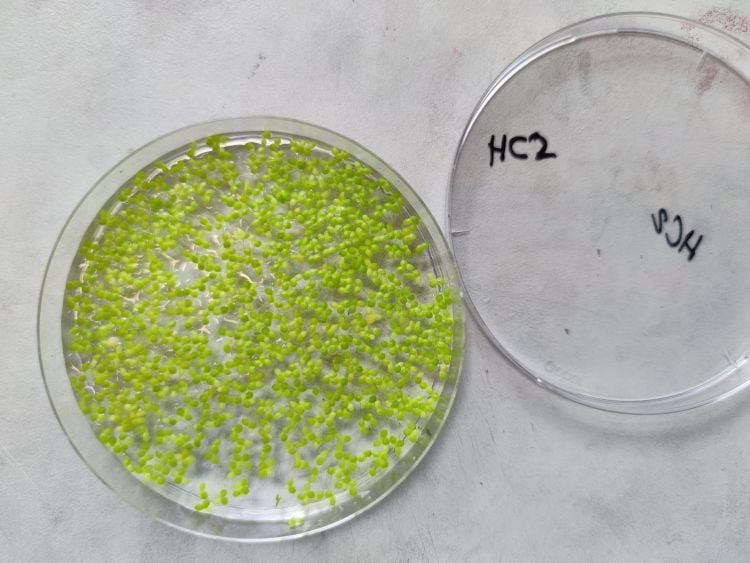
You’re the Lead Botanist on the third human mission to Mars whose primary job involves growing food for the crew throughout the long mission. While you’re very familiar with the infamous “poop potatoes” from the 2025 film The Martian, the greatest minds in science had since devised a more […]
- NASA Lays Out Ambitious Plans for Moon Base and Nuclear Mars Mission
 by Alan Boyle (https://www.universetoday.com/authors/cosmiclog) on 25/03/2026
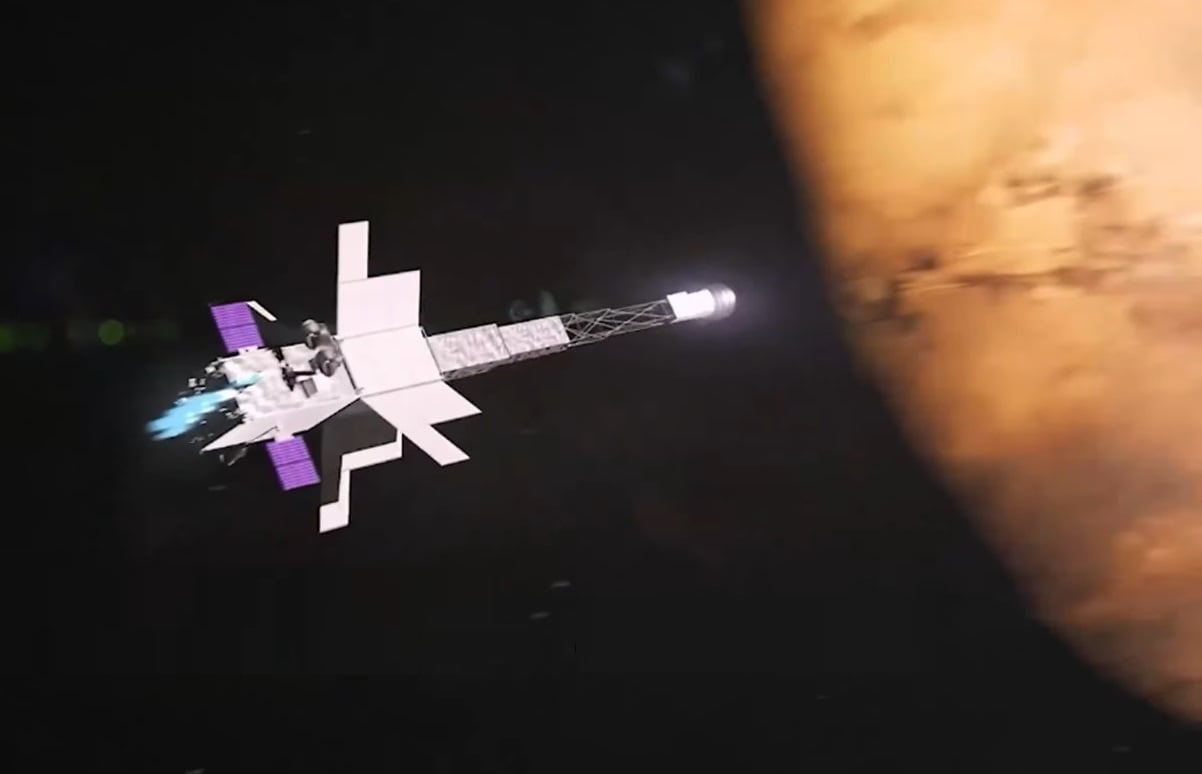
NASA has outlined an ambitious strategy to start working on a moon base and send a nuclear-powered spacecraft to Mars by the end of 2028 — leading some observers to wonder whether the timeline was realistic or wise.
- Extragalactic Archaeology: A New Method To Understand Galaxy Growth and Evolution
 by Evan Gough (https://www.universetoday.com/authors/ion23drive) on 24/03/2026
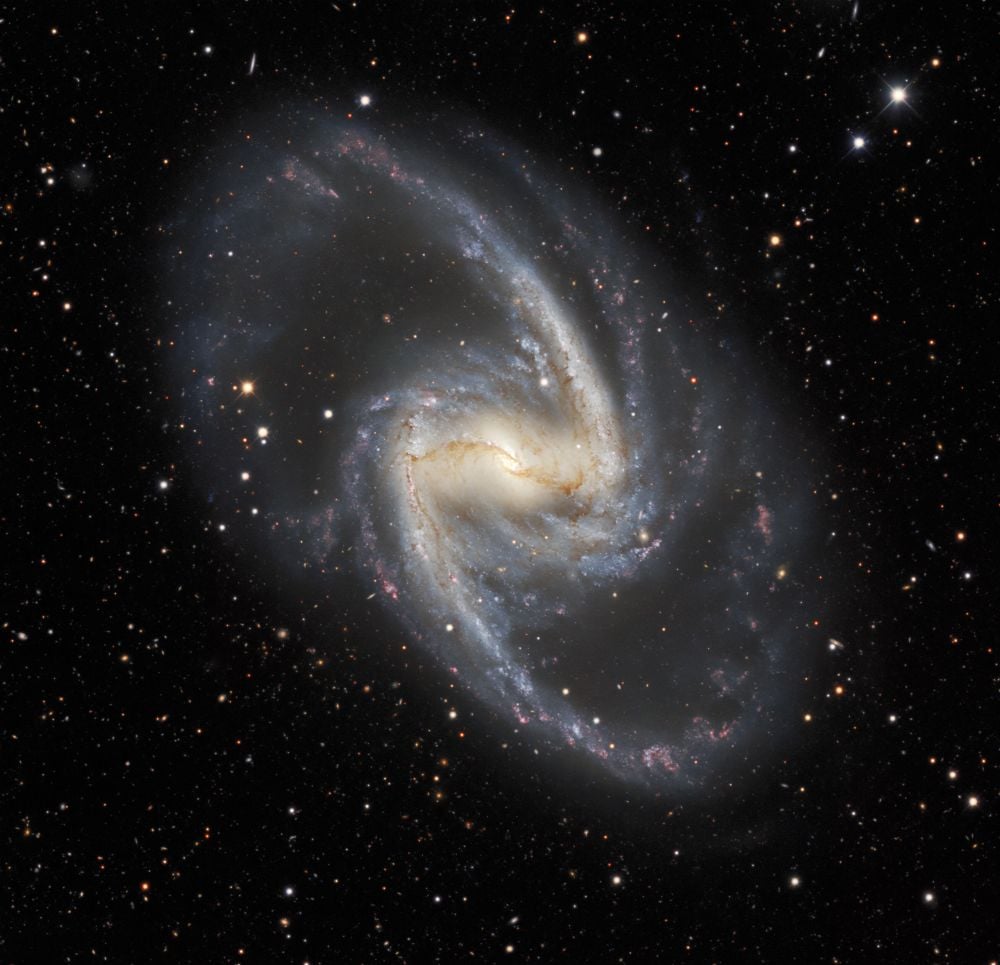
Galactic archaeology uses chemical fingerprints in the Milky Way to trace its formation and evolution. Now a team of researchers led by the Center for Astrophysics | Harvard and Smithsonian have employed it for the first time in a distant galaxy. This is the first example of extragalactic […]
- We Are Slowing Down the Planet
 by Mark Thompson (https://www.universetoday.com/authors/mark) on 24/03/2026
The days are getting longer. Not by much though since we're talking about fractions of a millisecond, but the rate at which our planet is slowing down is, according to a new study, completely without precedent in the last 3.6 million years. The culprit isn't the Moon, the Sun or anything in Earth's […]
- Watching 25 Years of Expansion in the Crab Nebula With the Hubble
 by Evan Gough (https://www.universetoday.com/authors/ion23drive) on 24/03/2026
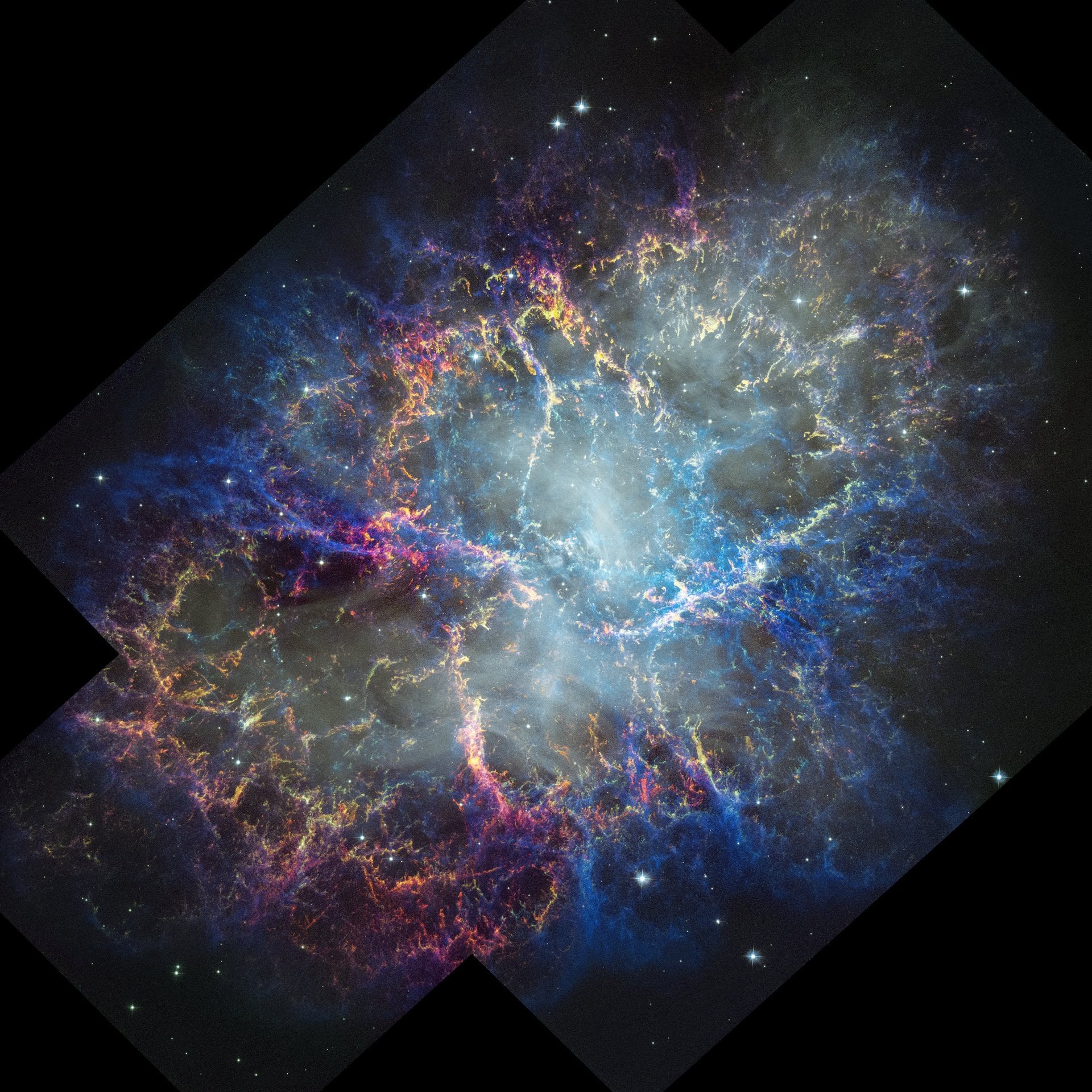
A quarter-century after its first observations of the full Crab Nebula, NASA’s Hubble Space Telescope has taken a fresh look at the supernova remnant. The result is an unparalleled, detailed look at the aftermath of a supernova and how it has evolved over Hubble’s long lifetime. A paper […]
- The Time Capsule in the Salt Flat
 by Mark Thompson (https://www.universetoday.com/authors/mark) on 24/03/2026
High in the Chilean Andes, at an altitude where the air is thin and the Sun is intense, a salt flat is hiding something remarkable. Locked inside ancient crystals of gypsum are the preserved remains of microscopic life, fossils of organisms that lived thousands of years ago, sitting alongside […]
- When Atoms Hear the Universe Ripple
 by Mark Thompson (https://www.universetoday.com/authors/mark) on 24/03/2026
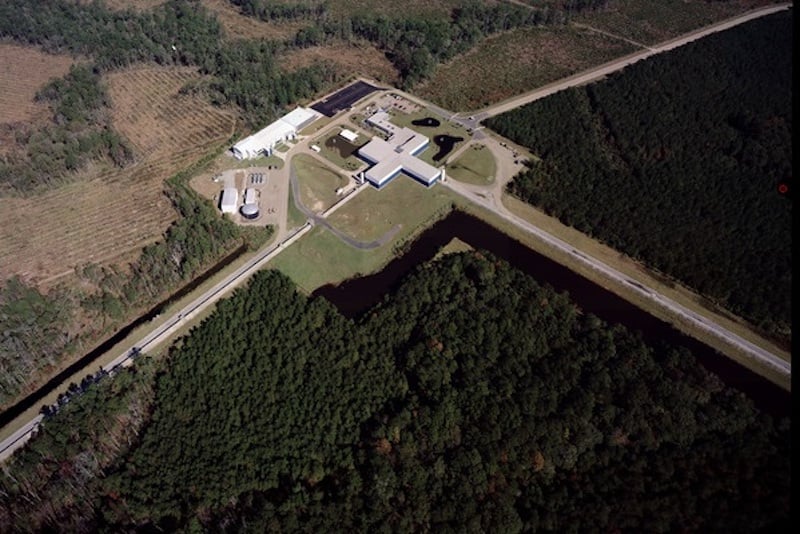
Detecting gravitational waves has always demanded enormous machines; kilometre scale instruments capable of sensing distortions smaller than a proton. But a new theoretical study suggests the universe may have been leaving its calling card in the light emitted by individual atoms. If the idea holds […]
- Spacecraft Heat Shields Could Violently "Burst" When Plunging Into Alien Atmospheres
 by Andy Tomaswick (https://www.universetoday.com/authors/andy-tomaswick) on 24/03/2026
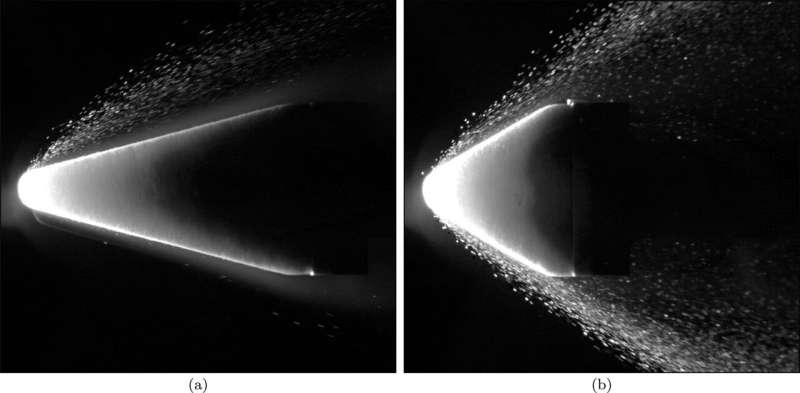
Heat shield design is one of the most critical aspects of missions that plan to either land on a planet’s (or moon’s) surface or return to our own. Spacecraft that have to survive the fiery, hypersonic plunge through an atmosphere require these systems. For decades, heat shields have been […]
- NASA outlines ambitious $20 billion plan for moon base
 by William Harwood on 25/03/2026
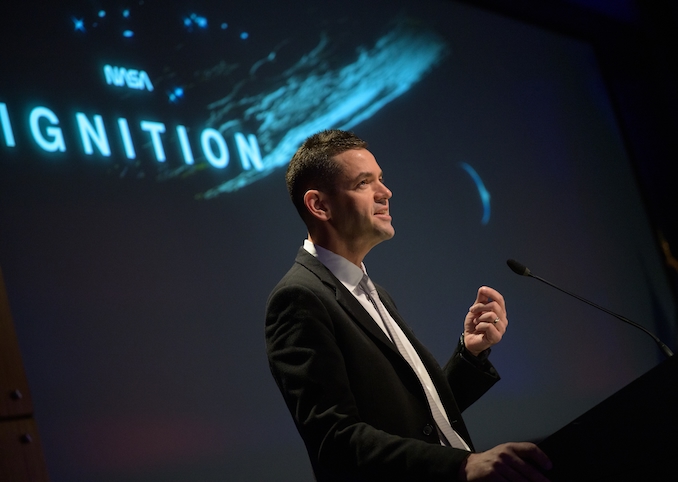
Along with plans for a moon base, senior NASA managers also outlined work to develop nuclear power systems for use on the moon and Mars to keep astronauts, habitats and other equipment warm while providing the electricity needed for research, construction and daily operations.
- SpaceX launches 29 Starlink satellites on Falcon 9 rocket from Cape Canaveral
 by Will Robinson-Smith on 22/03/2026
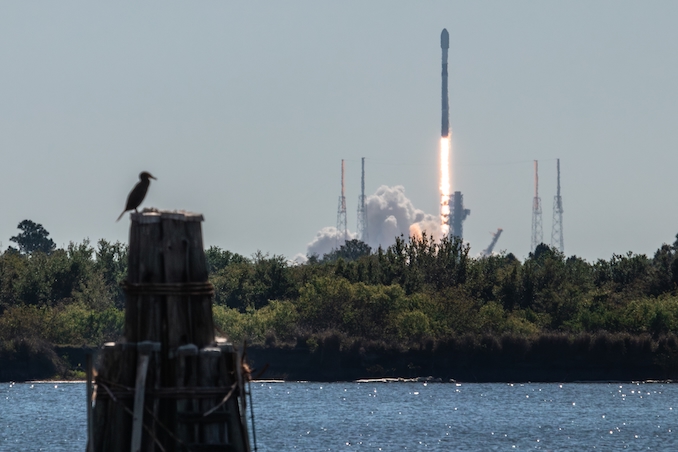
Liftoff of the Starlink 10-62 mission from pad 40 at Cape Canaveral Space Force Station happened at 10:47 a.m. EDT (1447 UTC). The rocket flew on a northeasterly trajectory.
- SpaceX launches 25 Starlink satellites on Falcon 9 rocket from Vandenberg SFB
 by Will Robinson-Smith on 20/03/2026
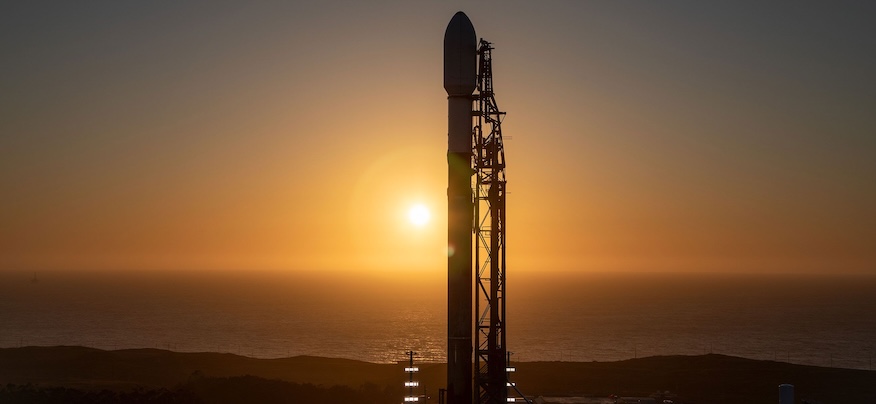
The Starlink 17-30 mission was SpaceX’s 30th mission supporting its broadband internet satellites megaconstellation so far this year. Liftoff from pad 4 East at Vandenberg Space Force Base happened at 2:51:49 p.m. PDT (5:51:49 p.m. EDT / 2151:49 UTC).
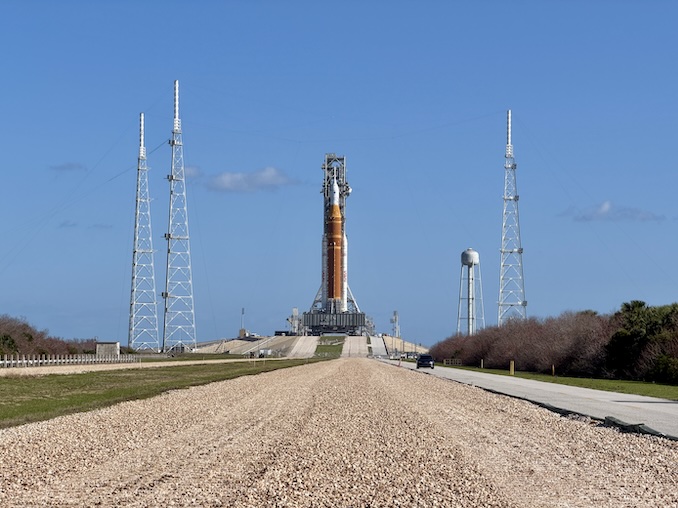
- NASA returns its SLS rocket back to the launch pad ahead of planned April flight of Artemis 2
 by Will Robinson-Smith on 19/03/2026
The rollout of the 322-foot-tall rocket took fewer than 12 hours after first motion, which occurred at about 12:20 a.m. EDT (0420 UTC). NASA hopes to launch the crewed test flight to the Moon no earlier than April 1.
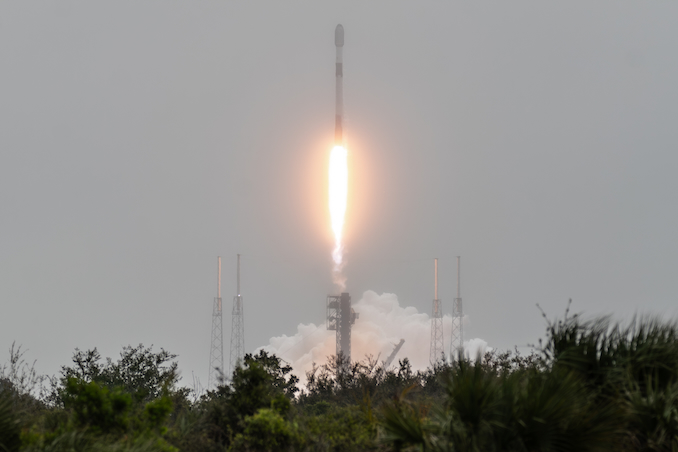
- SpaceX launches 29 Starlink satellites on Falcon 9 rocket from Cape Canaveral
 by Will Robinson-Smith on 18/03/2026
The Starlink 10-33 mission was the 35th mission so far in 2026 supporting SpaceX’s low Earth orbit constellation. Liftoff from pad 40 at Cape Canaveral Space Force Station happened at 10:20 a.m. EDT (1420 UTC).
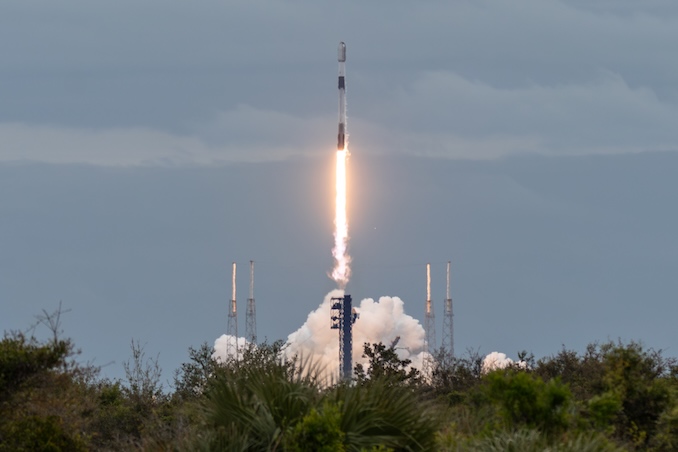
- Space launches 29 Starlink satellites on a Falcon 9 rocket on St. Patrick’s Day morning
 by Will Robinson-Smith on 16/03/2026
The Starlink 10-46 mission added another 29 Starlink V2 Mini satellites to the low Earth orbit constellation. Liftoff from pad 40 at Cape Canaveral Space Force Station happened at 9:27 a.m. EDT (1327 UTC).
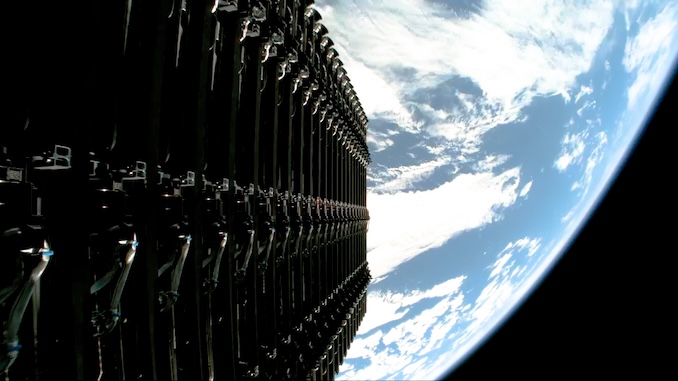
- SpaceX reaches 10,000 simultaneous Starlink satellites in orbit following Falcon 9 launch from California
 by Will Robinson-Smith on 16/03/2026
The milestone came less than seven years after launching its first batch of operational Starlink satellites. Liftoff of the Starlink 17-24 mission happened on Monday, March 16, at 10:19:09 p.m. PDT (1:19:09 a.m. EDT / 0519:09 UTC on Tuesday, Mar. 17).
- NASA Administrator teases further Artemis program updates in one-on-one interview
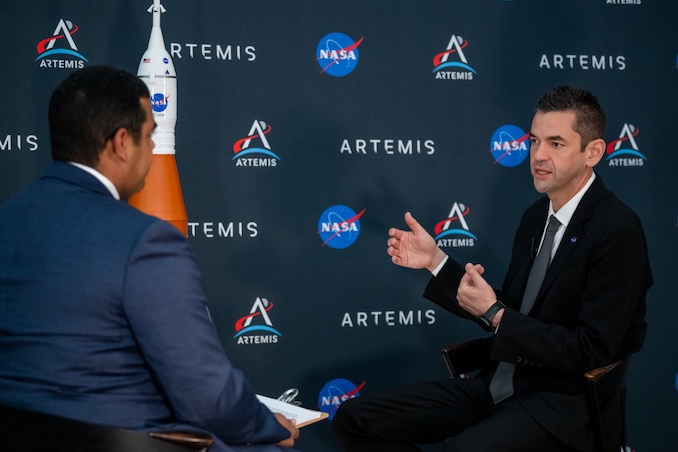 by Will Robinson-Smith on 14/03/2026
The conversation took place amid the flight readiness review for the Artemis 2 mission, which is currently set to launch no earlier than April 1, 2026, pending work being completed in the Vehicle Assembly Building.
- NASA ready for another shot at launching Artemis 2 moon mission
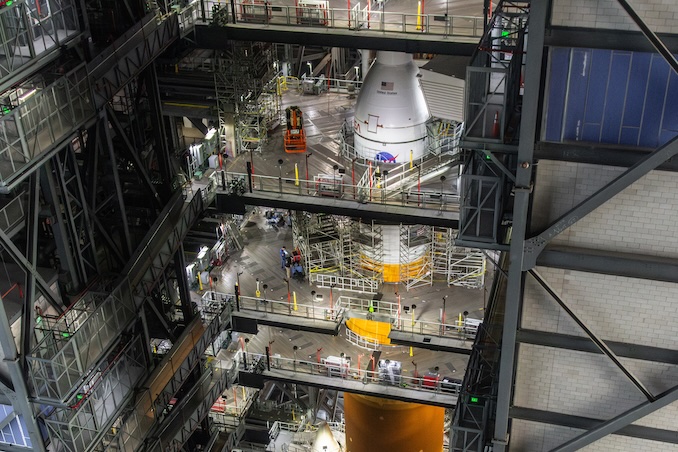 by William Harwood on 13/03/2026
At the conclusion of a two-day flight readiness review, "all the teams polled 'go' to launch and fly Artemis 2 around the moon, pending completion of some of the work before we roll out to the launch pad," said Lori Glaze, associate administrator of Exploration Systems Development at NASA […]
- SpaceX launches 25 Starlink satellites on Falcon 9 rocket from Vandenberg Space Force Base
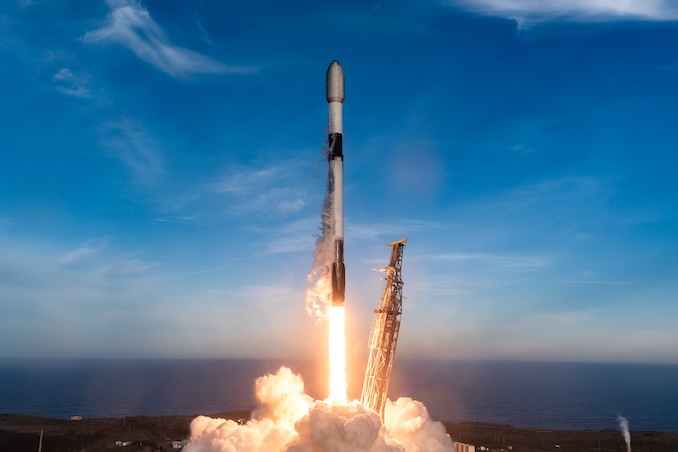 by Will Robinson-Smith on 13/03/2026
The Starlink 17-31 mission was SpaceX’s 25th mission supporting its broadband internet satellite constellation so far in 2026. Liftoff from pad 4 East at Vandenberg Space Force Base happened at 7:57:59 a.m. PDT (10:57:59 a.m. EDT / 1457:59 UTC).